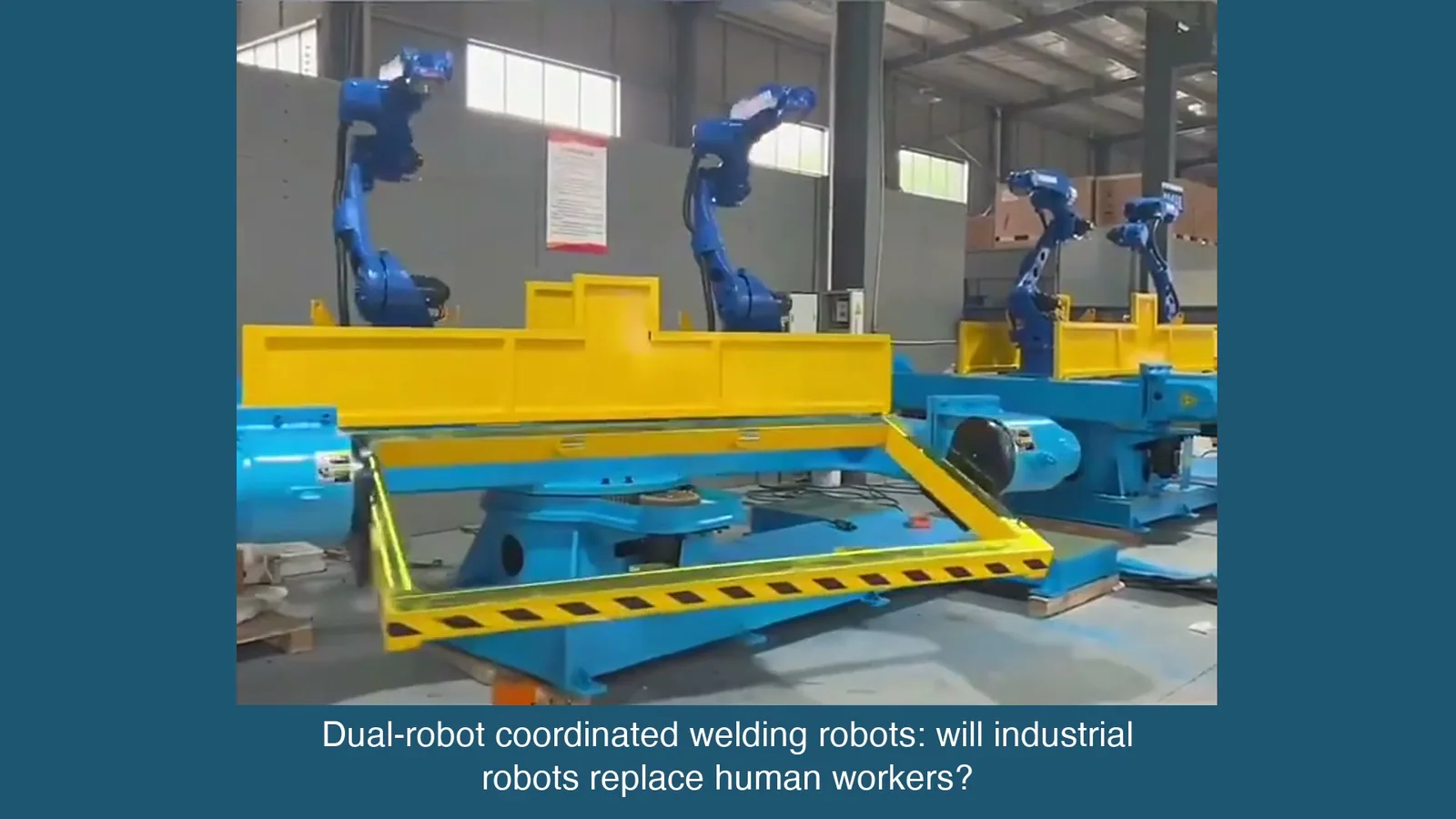
A robot cell pays back on repeatability, not on robot speed. I have seen a 6-axis cell with a 1.8 m reach and a 250 kg positioner fail on a family of 14 parts because each weldment arrived with fit-up gaps from 0.5 mm to 4 mm. The robot welded the same program every time; the parts did not.
The company spent $260,000 on the cell and another $95,000 on fixtures, then put 18% of first-article parts through rework. The manual welders had been fixing those gaps with torch angle and wire speed. The robot could not. That is the commercial test: can you freeze the joint enough that a machine can repeat it?
Part family consistency beats welding skill
Count part numbers, not weld length. A cell is a good bet when 80% of volume comes from 5 to 10 parts with similar joint types, thickness, and access. If the family spans 1.5 mm sheet to 20 mm plate, or if more than 20% of parts need tack-and-reposition sequences, the cell will spend its time waiting for a person.
I want joint variation held to 1 mm for fixed-table arc welding, or 0.5 mm if you expect to run without seam tracking. Batch size matters too. A 40-part batch with a 45-minute changeover is fine; a 4-part batch with the same changeover is not. Target at least 2,000 arc-on hours per year.
Below 1,200 hours, the math usually favors a skilled manual welder and a good fixture.
Fixturing is the real capital cost
The robot is the cheap part. A single-station cell with 350 A power supply, 1.2 mm wire, torch, positioner, fence, and integration commonly runs $180,000 to $300,000. Fixtures for one part family can run $40,000 to $120,000, and a second family can double that.
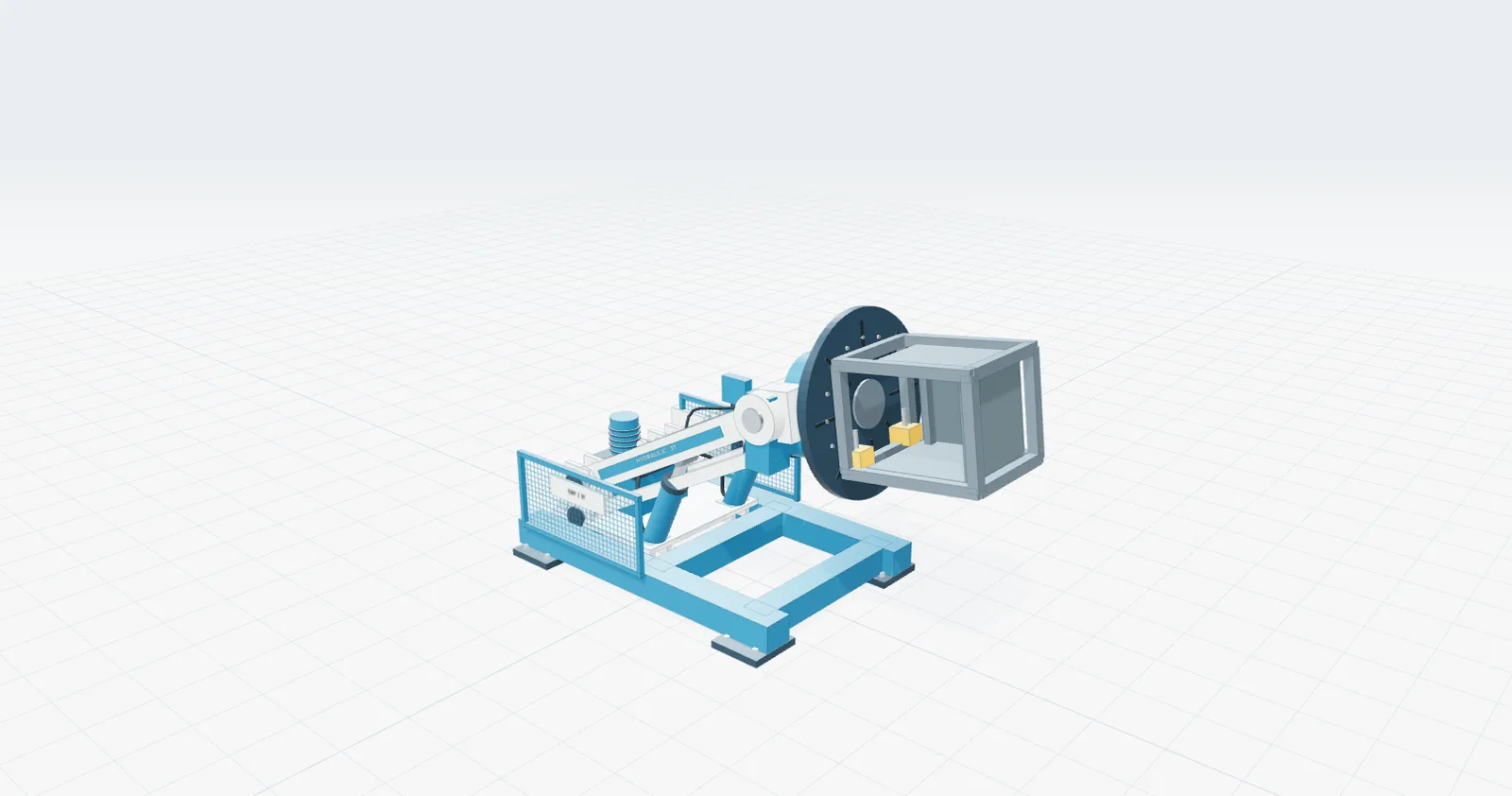
If fixture cost exceeds 50% of the cell price, stop and re-quote. Ask whether the fixture can hold 0.5 mm repeatability over 100,000 cycles, whether it clears the torch at 8 m/min travel, and whether an operator can load it in under 3 minutes. A 250 kg weldment on a 2-axis positioner needs counterbalance and crash protection; a 6 kg torch does not forgive a clamp left 10 mm proud.
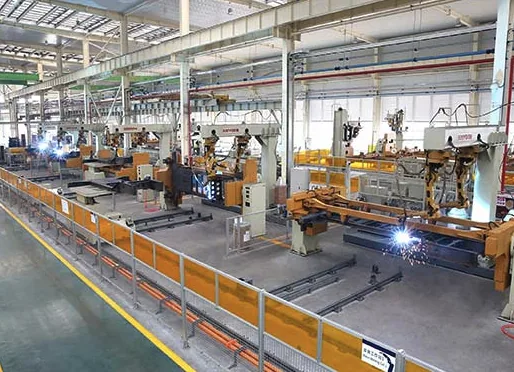
I prefer one load station outside the fence and one weld station inside. That layout can get arc-on time to 75%; a single station with the robot waiting for load usually sits at 45% to 55%.
First article and rework kill the business case
Budget 60 to 120 engineering hours for the first article, not 8. You need to prove the fixture, the weld sequence, the torch access, the gas flow at 18 L/min, and the distortion result. A first article with 15% to 25% rework is common; a cell that never gets below 5% rework will not pay back.
Inspect the first 30 parts fully, then cut to 10%. If the drawing allows a 2 mm gap and the process cannot close it without backing, the robot loses. If you need 100% ultrasonic or visual inspection anyway, the labor savings are smaller than the integrator’s cycle-time model suggests.
Track rework hours separately for six weeks. When rework exceeds 8% of weld hours, the cell is not stable enough to quote as a production asset.
The honest floor: when a skilled manual welder wins
A skilled welder with a 350 A machine can out-weld a robot on low volume, heavy tacking, and out-of-position work. The robot wins when the arc is on 75% of the shift and the part is presented at the same angle every time. Manual arc-on time is often 30% to 45% because of grinding, tacking, measuring, and repositioning.
If your annual volume is under 300 units and each unit has 6 m of 6 mm fillet, do not buy a cell. If the part weighs 80 kg and needs four repositioning moves, do not buy. If the weld is mostly 1.5 mm sheet with visible cosmetic requirements, a manual welder with a pulse machine may be cheaper than a robot plus laser seam tracking.
Set a payback floor: 24 months for a dedicated family, 30 months for a flexible cell. Anything over 36 months is a hobby.
Layout, fencing, and seam tracking trade-offs
Plan the cell around the operator, not the robot. A 6 m by 5 m footprint is realistic for one robot, one positioner, two load stations, and a 2 m high fence. Leave 1.2 m for access gates and 800 mm between the fixture and the fence for service. Safety fencing and interlocks cost $15,000 to $35,000; light curtains at the load opening add $4,000 to $8,000.
Do not put the control cabinet inside the fence. Do not let the robot reach over an operator load station without a validated safety circuit. Seam tracking is not a cure for bad parts. Laser tracking at $25,000 to $45,000 can handle 2 mm fit-up variation, but it adds cycle time and needs a clean joint.
Through-arc tracking is cheaper but needs stable wire and ground. If your fit-up is already within 0.5 mm, spend the money on fixture repeatability instead.
Questions to ask an integrator before signing
- What cycle time is guaranteed, and at what arc-on percentage? Get 70% or 75% in writing.
- Who owns first-article rework above 5%? Hold 10% of the contract until 30 consecutive parts pass.
- Is fixture cost fixed, including one engineering change? What is the price for the second part family?
- What fit-up range did you test? Show the test parts and the gap map, not a video.
- What is the safety validation scope: fence, interlocks, light curtains, and risk assessment?
- What training is included: 40 hours for operators and 16 hours for maintenance?
- What spare parts are on site: torch, clutch, wire feeder, and one teach pendant?
- What is the ramp support plan for the first 8 weeks, and who pays for travel?
If the integrator cannot answer with numbers, the cell will not pay back on schedule. The specification matters more than the robot brand, because the fixture, the joint, and the first article decide the commercial result.
For the dimensional, electrical, and process limits behind these decisions, see our welding equipment technical specifications.
Conclusion
Choosing the right welding automation solution is key to improving productivity and quality in your fabrication operations.
Technical Specifications (BIQEE Welding Positioner):
Rated load capacity: 100kg 50,000kg
Tilt angle: 0 120 (variable)
Rotation speed: 0.1 2.0 rpm
Control: PLC / CNC servo (dual-mode)
Applicable process: MIG/MAG, TIG, SAW, Flux-cored